Cycling the Elbe River: Complete Route Guide
Plan your ride along the Elbe Cycle Path with this comprehensive guide to routes, highlights, and tips for an unforgettable cycling journey.
Quick links
The Elbe Cycle Path (Elberadweg) is one of Europe’s most iconic river routes, tracing the Elbe River from its source in the Czech mountains to the North Sea estuary. Spanning around 1,200 kilometers through Czechia and Germany, it follows levees, vineyards, and historic river towns such as Dresden and Hamburg. Known for its flat terrain, clear signage, and strong cycling infrastructure, it offers a smooth and mostly traffic-free ride ideal for both long-distance touring and leisurely stages.
What You Need to Know at a Glance
Length: approximately 1,200 kilometers
Route type: Continuous long-distance river trail
Runs through: Czech Republic and Germany
Best season: April to October
Start/finish: Prague (or Špindlerův Mlýn) → Hamburg / Cuxhaven
Terrain: Mostly flat or gentle hills
Surface: Mostly asphalt and compact gravel
Difficulty: Easy to moderate; suitable for touring and e-bikes
Daily distance: 40–70 kilometers, flexible stages
Navigation: Excellent green-and-blue Elberadweg signage; GPX maps available
Facilities: Frequent cafés, bike shops, and riverside lodging
Ferries: Seasonal crossings for both banks
Highlights: Dresden, Elbe Sandstone Mountains, Magdeburg, Hamburg, North Sea estuary
Cycling Conditions & Infrastructure
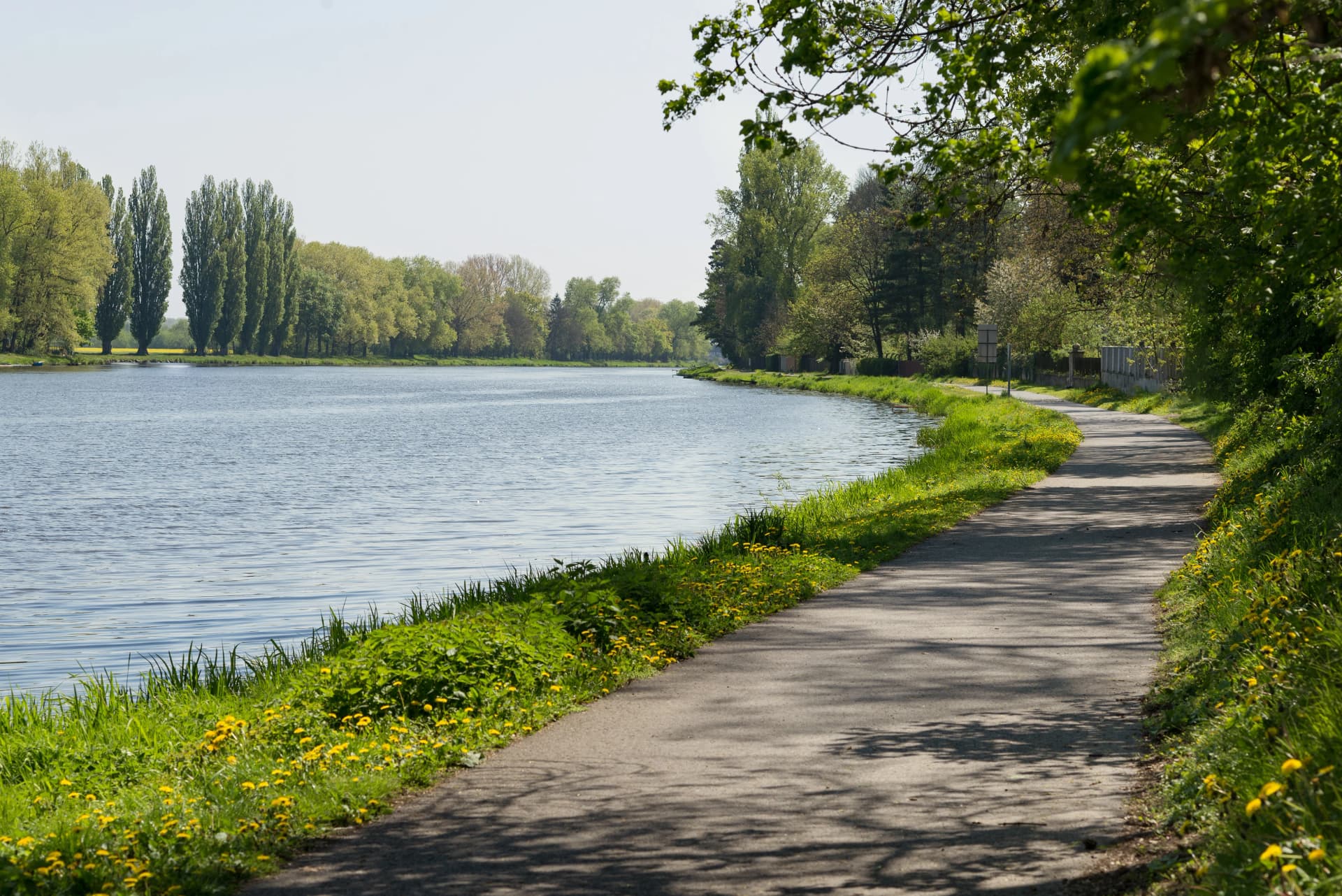
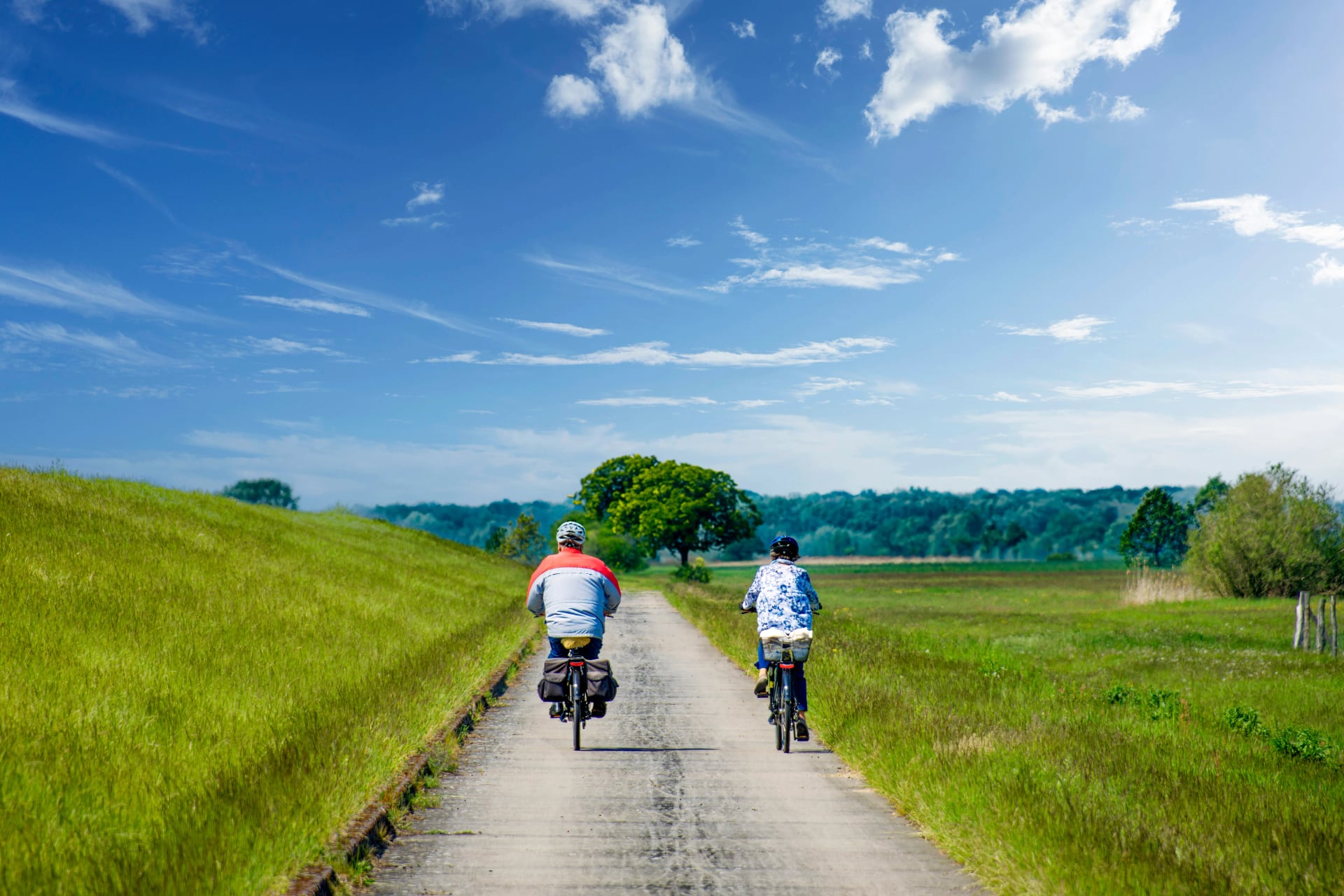
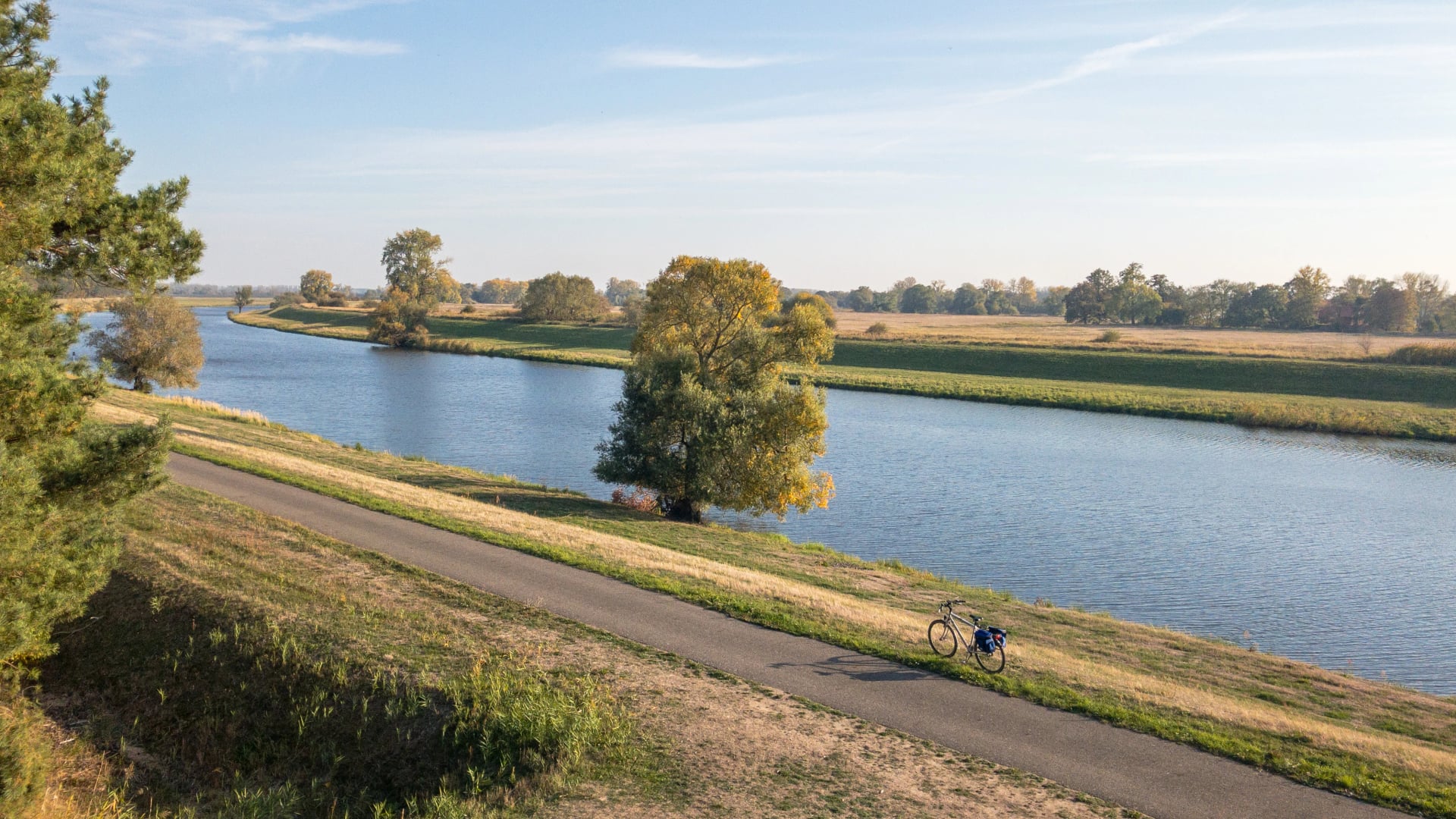
The Elbe Cycle Path follows a nearly continuous 1,200-kilometer corridor of levees, dikes, and rural lanes, with over 90% of the route paved or fine gravel. Gradients are minimal—rarely exceeding 2%—so daily rides feel steady even on touring bikes. Wayfinding is effortless: the green-and-blue Elberadweg logo appears every few hundred meters, often with distance panels to the next village or ferry.
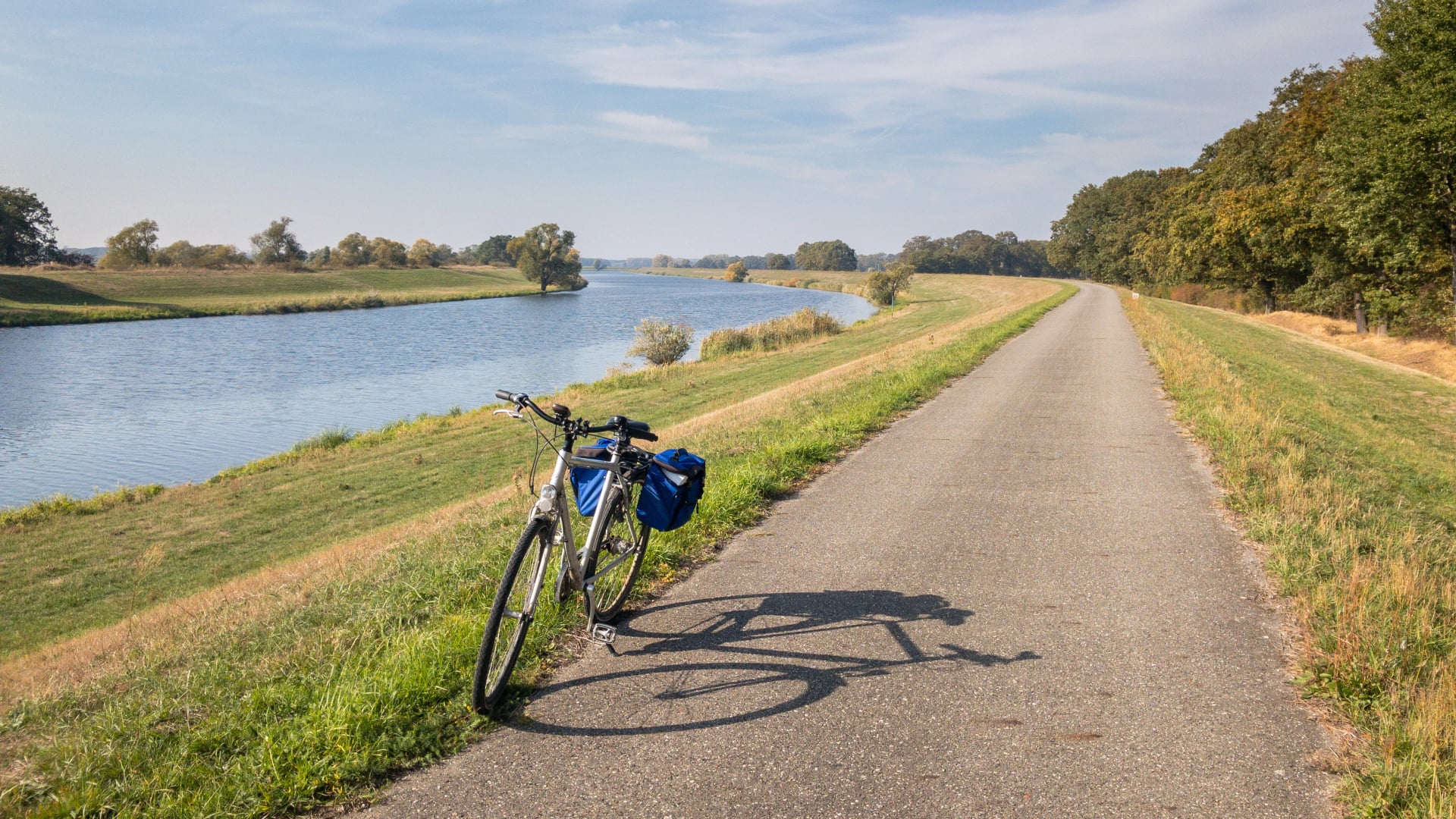
Cyclists find full support along the way. E-bike charging points and repair stations are installed at rest areas and small ports. Local trains with bicycle wagons connect every major stage—Dresden, Wittenberg, Magdeburg, Lüneburg, Hamburg—making it easy to shorten or combine sections.
Short ferry crossings near Schöna, Aken, and Bleckede link both banks, keeping the route continuous even in wide floodplains. The result is a route that feels both scenic and seamless—engineered for comfort but rich in small details that make long-distance travel effortless.
Main Route Sections
1. Czech Republic to Saxon Switzerland (Spindleruv Mlýn – Bad Schandau)
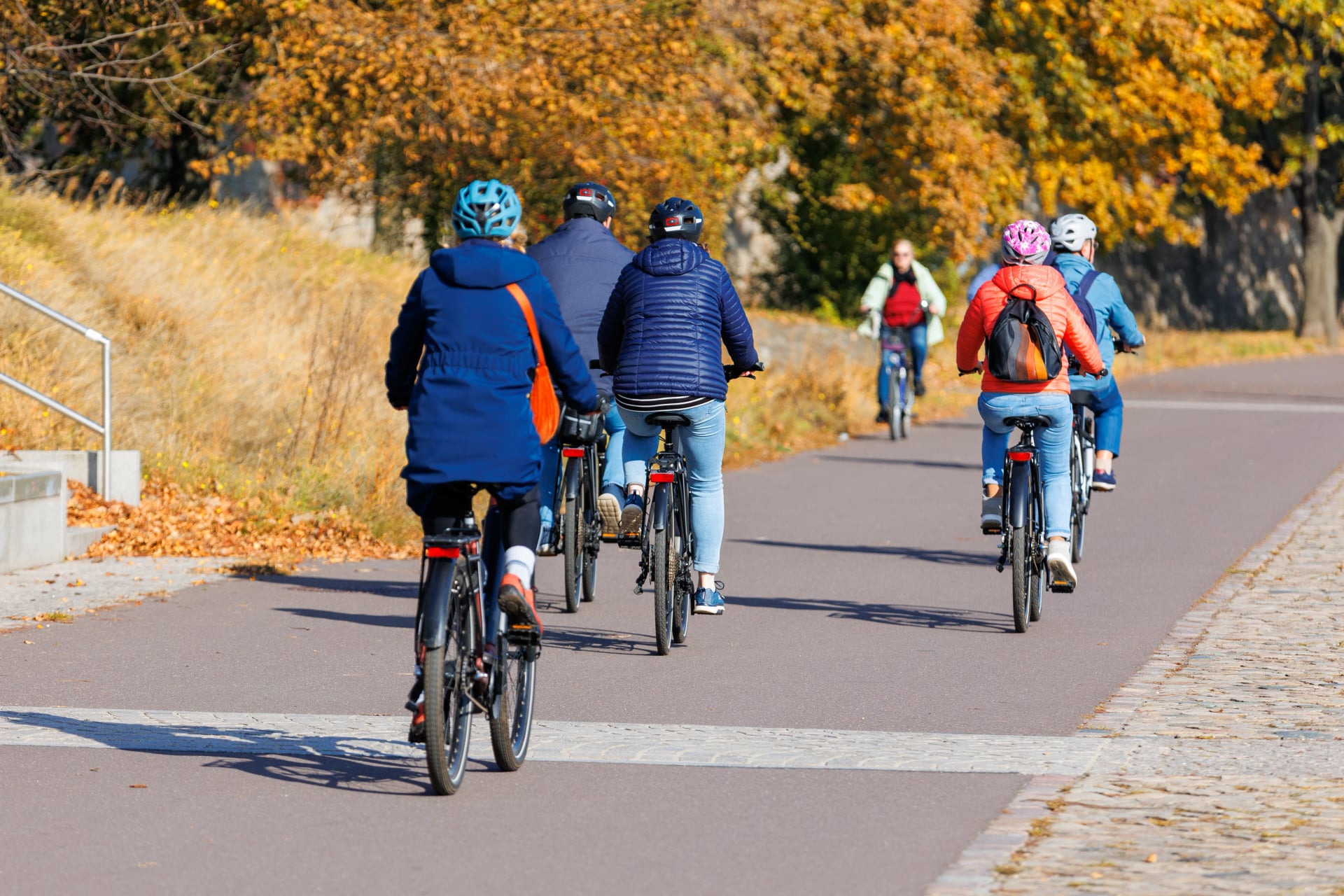
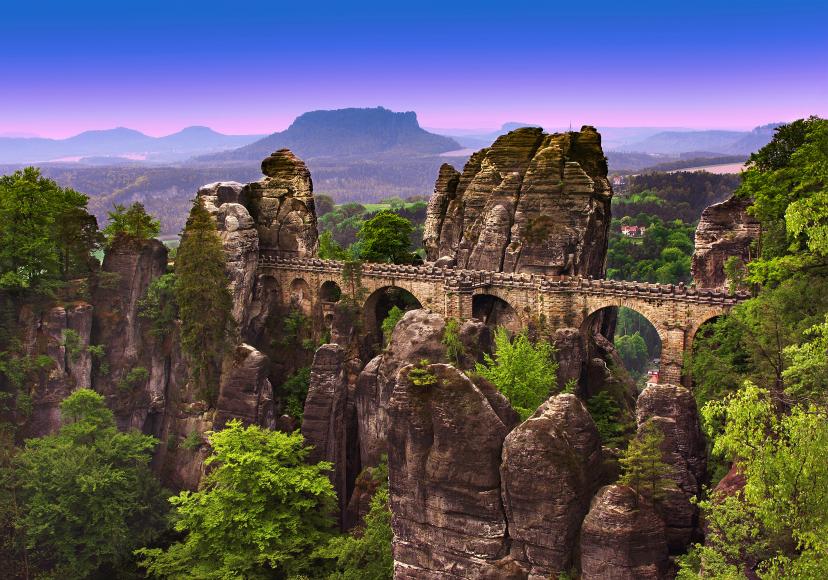
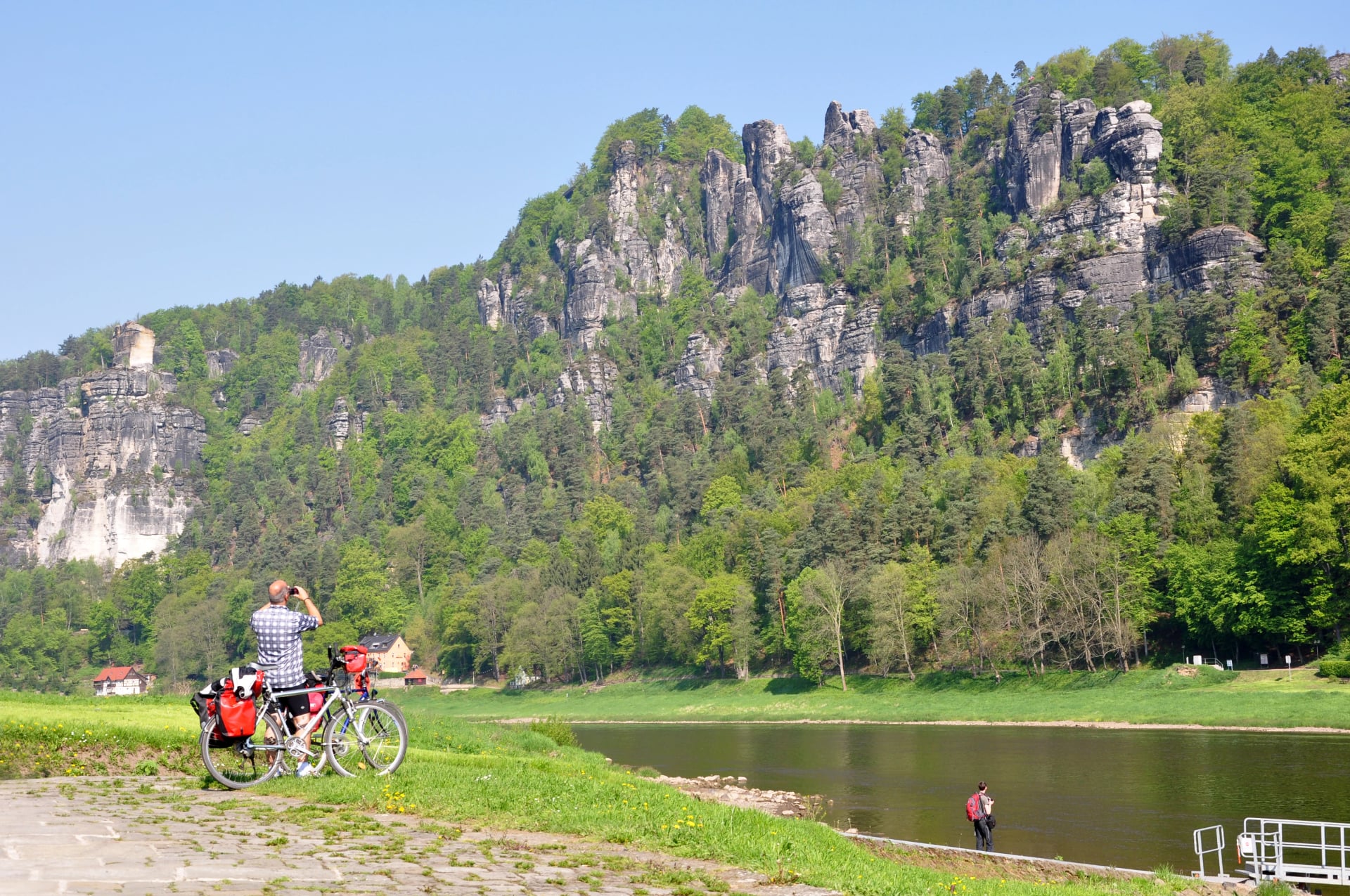
The Elbe begins in the Krkonoše Mountains, descending through Bohemia’s rolling farmland toward Děčín. This first stretch (approx. 180 km) combines gentle descents, forested valleys, and old spa towns. Approaching Germany, the landscape tightens into the Elbe Sandstone Mountains, where sheer cliffs rise above the river near Hřensko and Bad Schandau—a scenic highlight for anyone entering Saxony.
2. Saxon Switzerland to Magdeburg
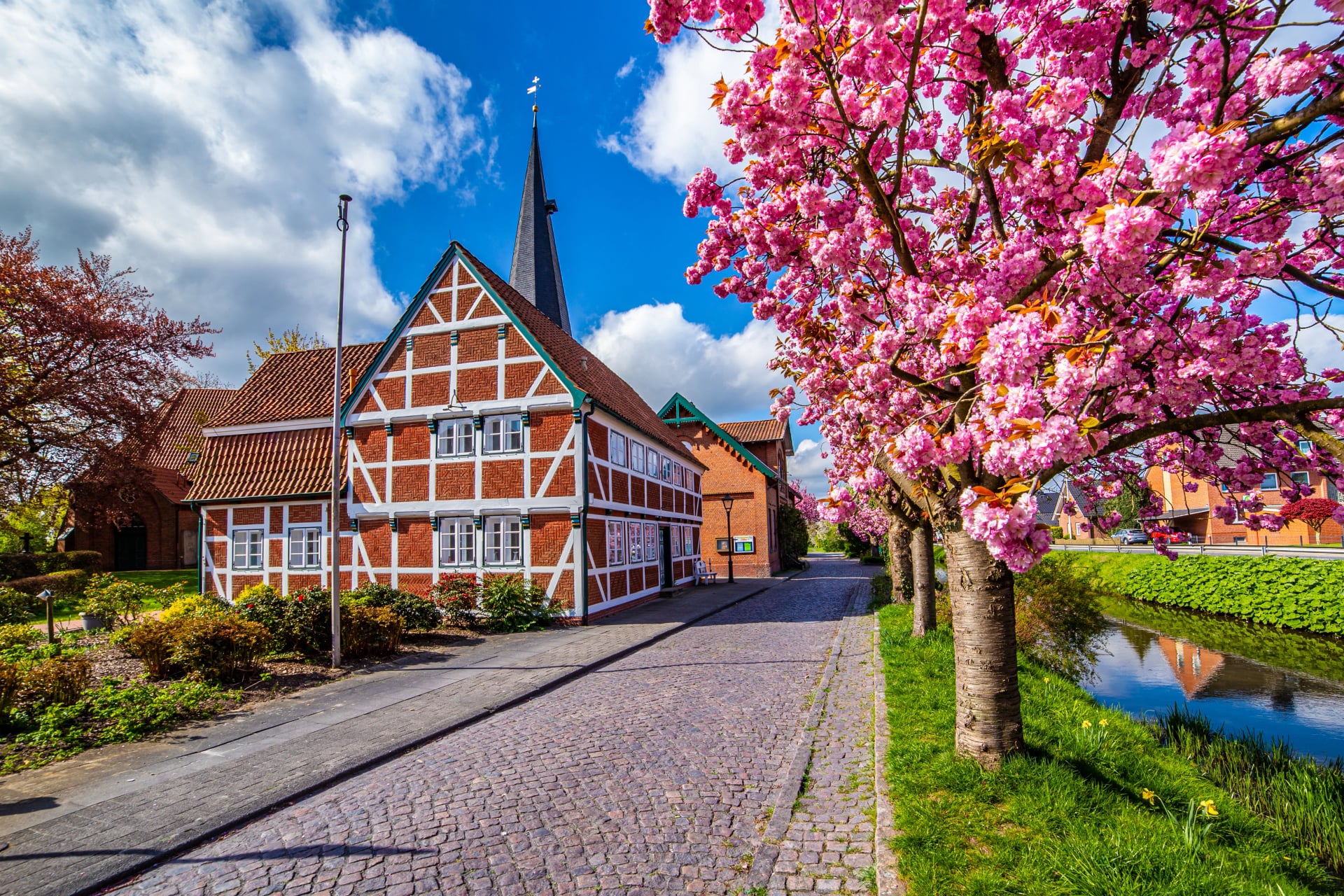
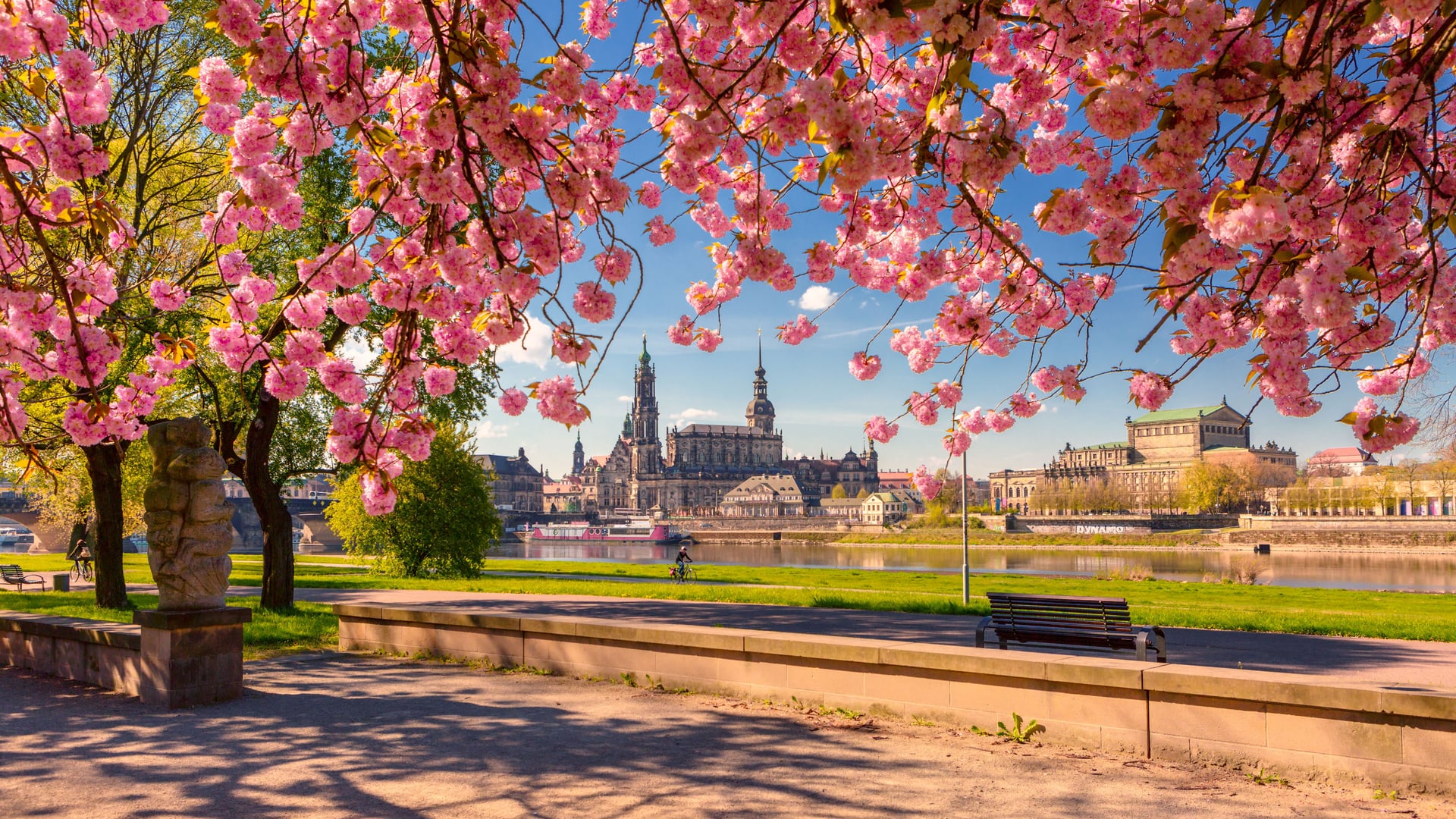
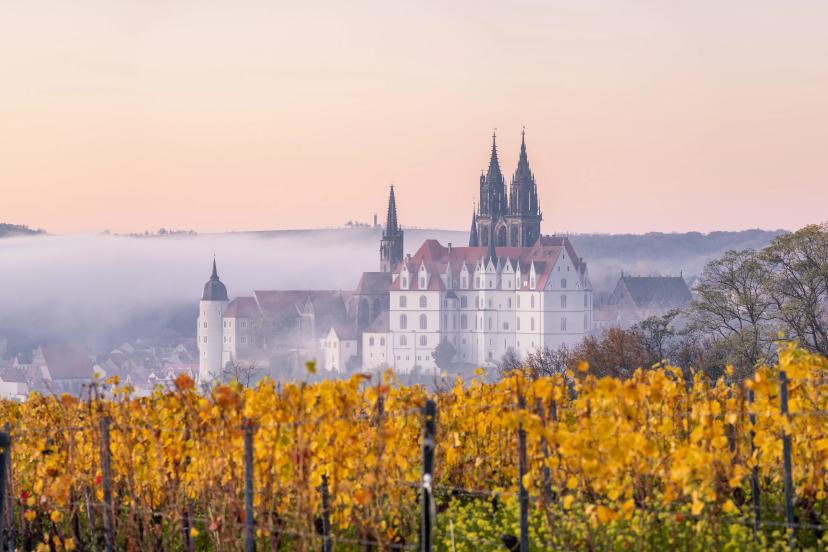
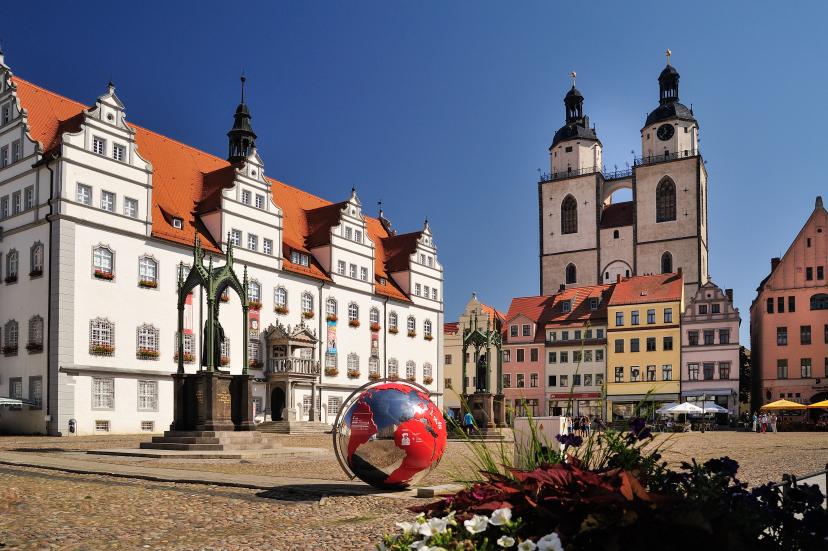
From Bad Schandau to Magdeburg (approx. 370 km), the route follows some of Germany’s richest cultural corridors. It passes Dresden, the “Florence on the Elbe,” and Meissen, home of Europe’s oldest porcelain works. Beyond Wittenberg, where Martin Luther launched the Reformation, the landscape opens into Elbe meadows and quiet floodplains. Surfaces are wide, smooth, and well-marked—ideal for long touring days.
3. Magdeburg to Hamburg
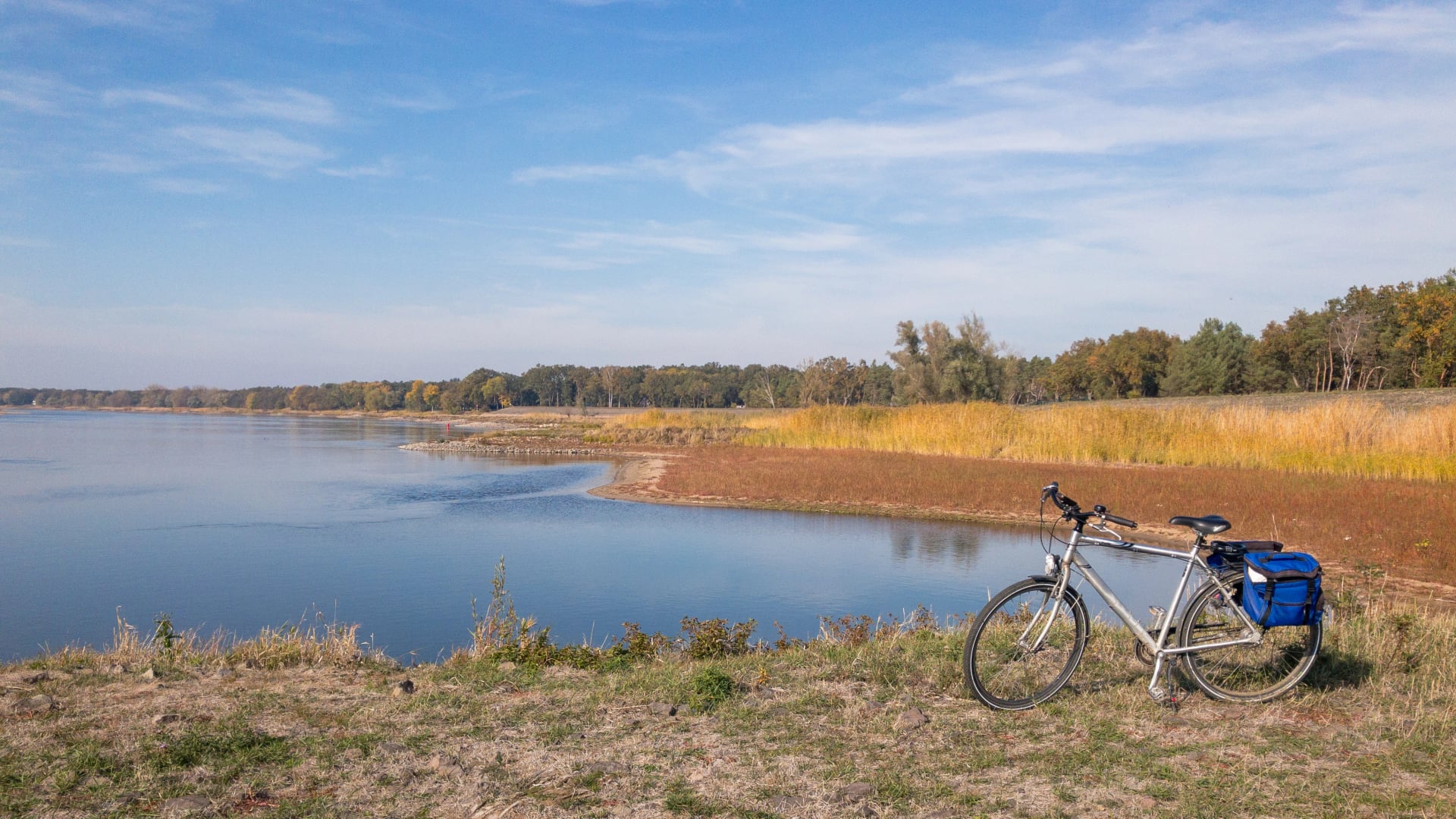
This central section (approx. 350 km) runs through Saxony-Anhalt and Lower Saxony, tracing calm dikes through farmland and biosphere reserves. Towns like Tangermünde and Lauenburg preserve half-timbered centers from the Hanseatic era. Train lines parallel much of this segment, allowing easy detours or short transfers between stages.
4. Hamburg to the North Sea (Cuxhaven)
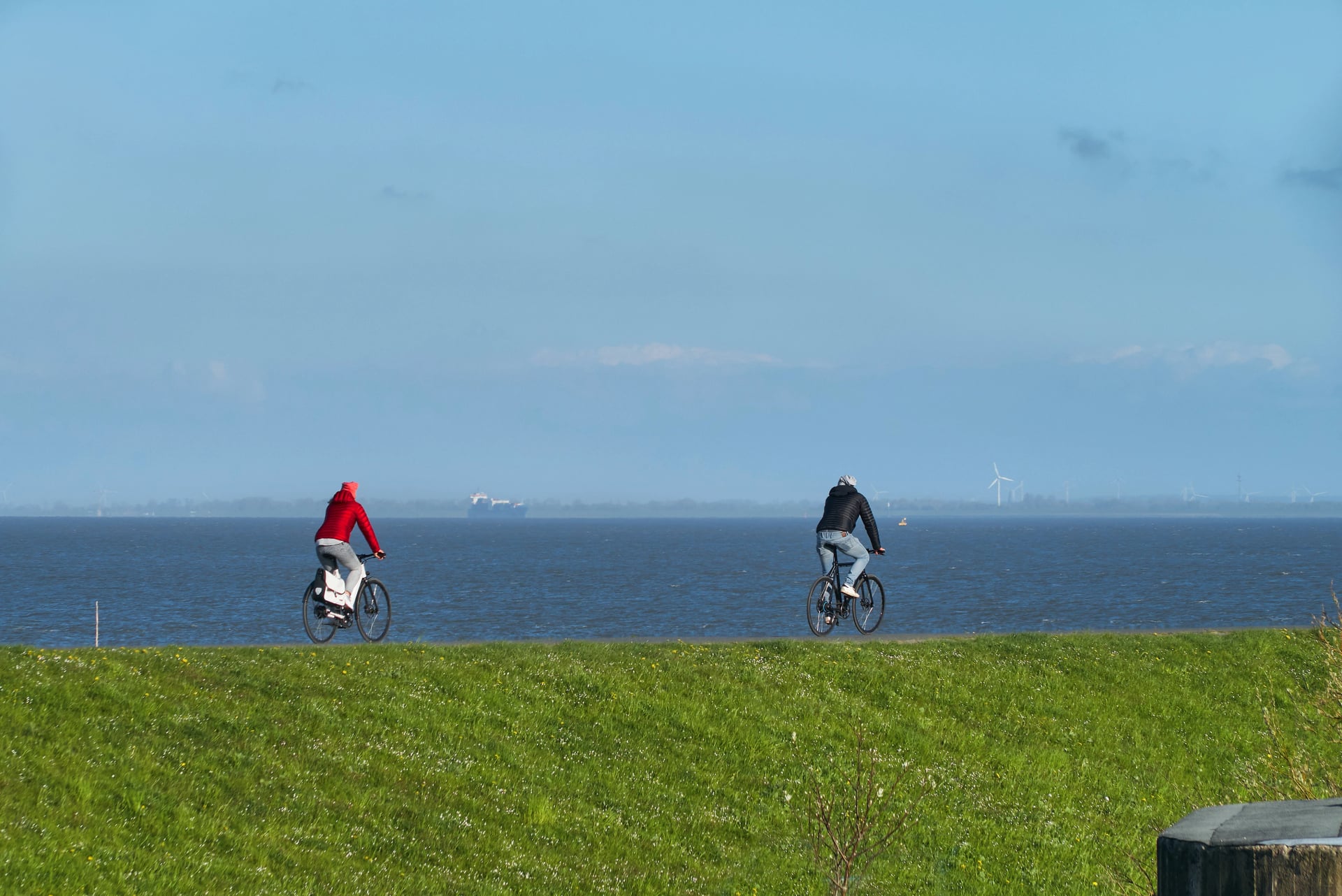
The final leg (approx. 200 km) follows the Elbe’s widening estuary to the coast. The scenery shifts to tidal wetlands, dikes, and maritime towns, with ferries crossing to small ports like Glückstadt and Wischhafen. Approaching Cuxhaven, cyclists meet the open North Sea—an atmospheric finish marked by lighthouses, salt meadows, and seabirds feeding along the tidal flats.
Our Prague to Dresden cycling tour brings together the most scenic and culturally rich stretch of the entire Elbe Path, combining Bohemian valleys, Saxon cliffs, and baroque river cities into one seamless journey—saving you the time of researching and piecing together the highlights yourself.
See it here:
Cultural & Natural Highlights
The Elbe Cycle Path links some of Central Europe’s most atmospheric towns and landscapes, where centuries of trade, art, and nature meet along a single river corridor. Cyclists move effortlessly between sandstone cliffs, baroque skylines, and broad northern estuaries—all within a few days’ ride.
Highlights along the route include:
See more must-visit places in our guide to Germany's top cultural & natural landmarks that you can experience across various tours.
When to Go
Germany’s temperate climate makes cycling pleasant from April to October, with mild temperatures, steady daylight, and moderate rainfall. Western sections feel more maritime, while eastern stretches are slightly drier and sunnier — ideal for multi-day rides along the Elbe.
Season Overview:
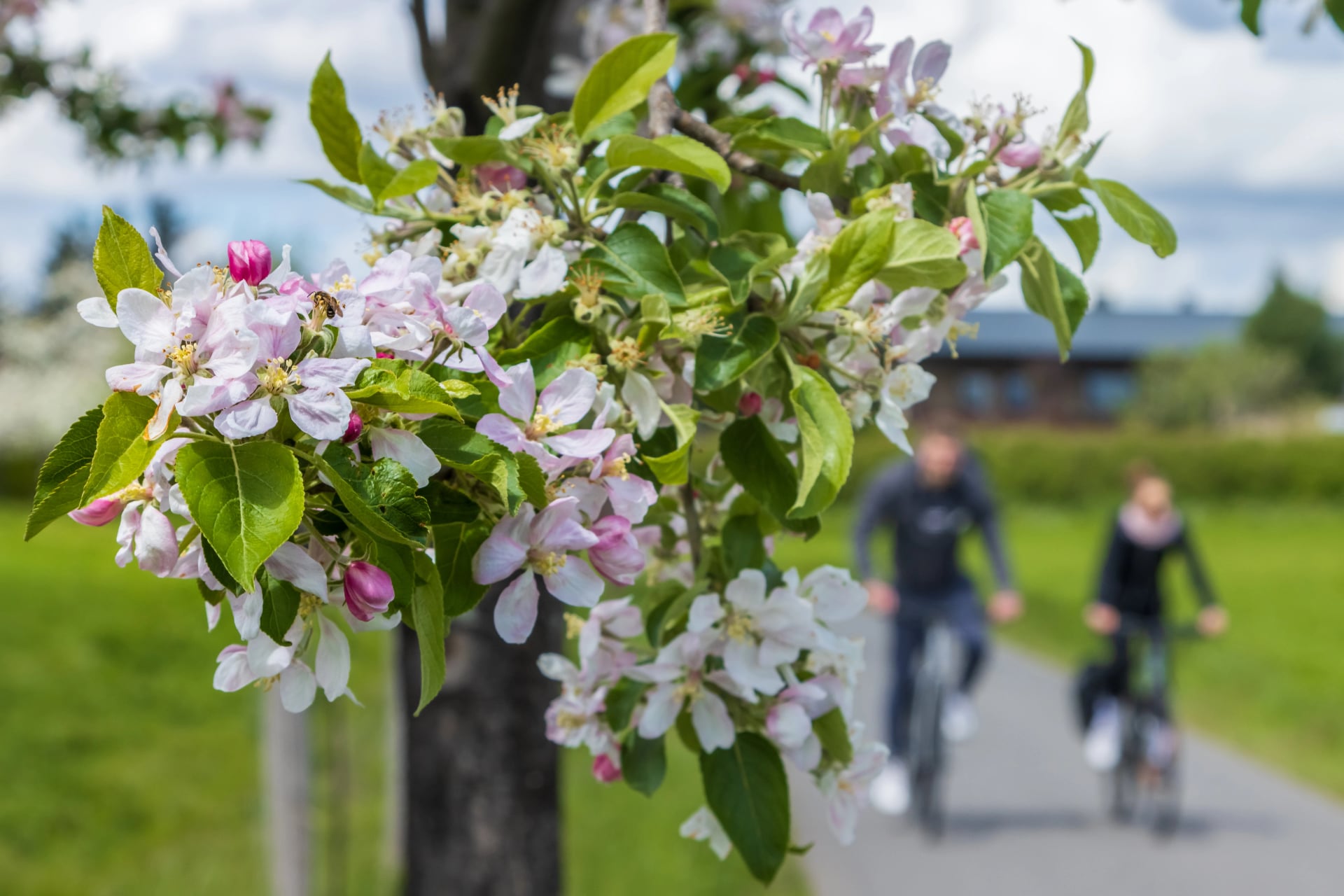
Spring (April–June): Mild and colorful, with temperatures between 14–25 °C. Meadows bloom, cherry trees flower around Dresden, and ferries and cafés reopen along the route. Days grow longer, making this one of the most comfortable and scenic times to ride.
Summer (July–August): Warm and lively, reaching 25–30 °C. The riverbanks are vibrant with local life, swimming spots, and open terraces. Expect more activity near Hamburg and the North Sea, but easy, traffic-free riding throughout.
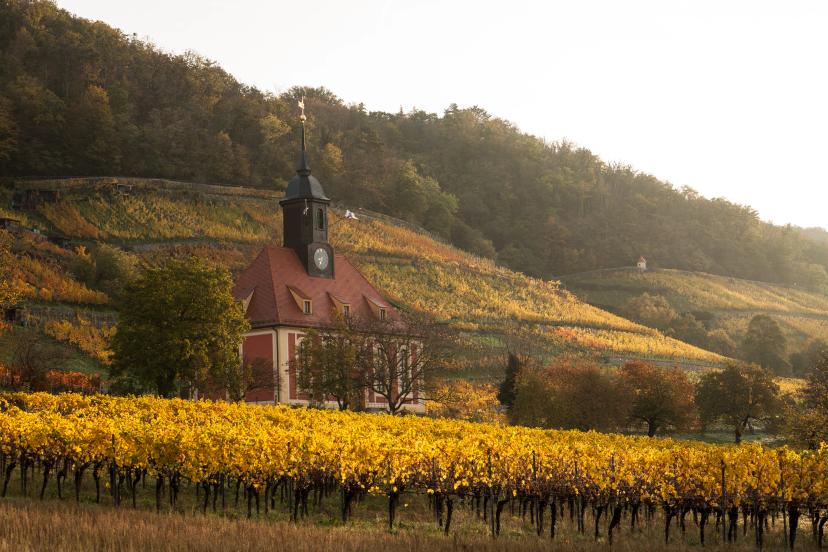
Autumn (September–October): Calm and golden, with 15–22 °C and stable weather. Vineyards reach harvest near Meissen and Wittenberg, and clear air offers great visibility for photography along the wetlands.
Winter (November–March): Cold and quiet, averaging 2–10 °C with fog and occasional rain. Many guesthouses close, and ferry timetables shorten, though short local rides near major towns remain possible. More suitable for our winter holidays options.
Tip: Prevailing winds blow westward, so most riders choose to travel from east to west (Prague to Cuxhaven) for easier progress and smoother navigation.
For a better understanding of the German weather, make sure to see our monthly breakdown across the entire country in our guide here.
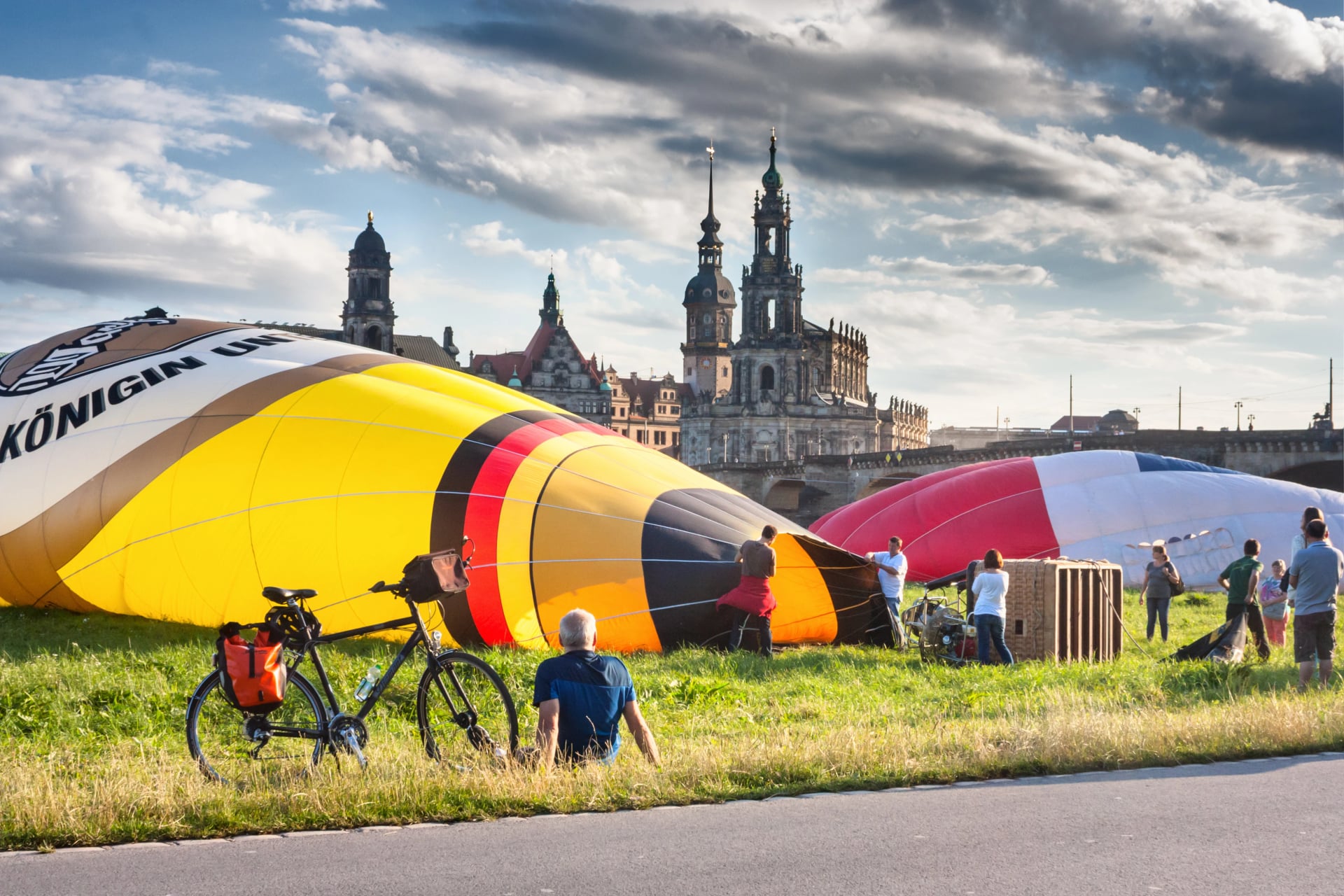
Germany’s Culinary Heartland
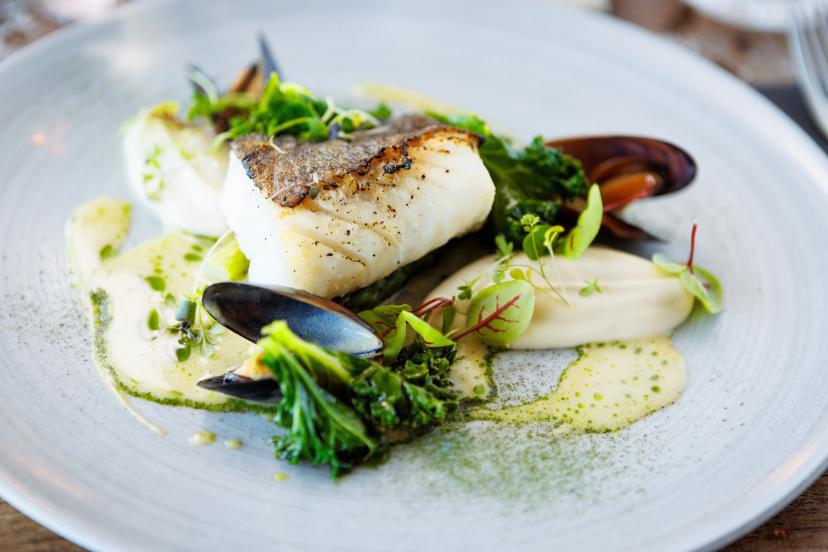
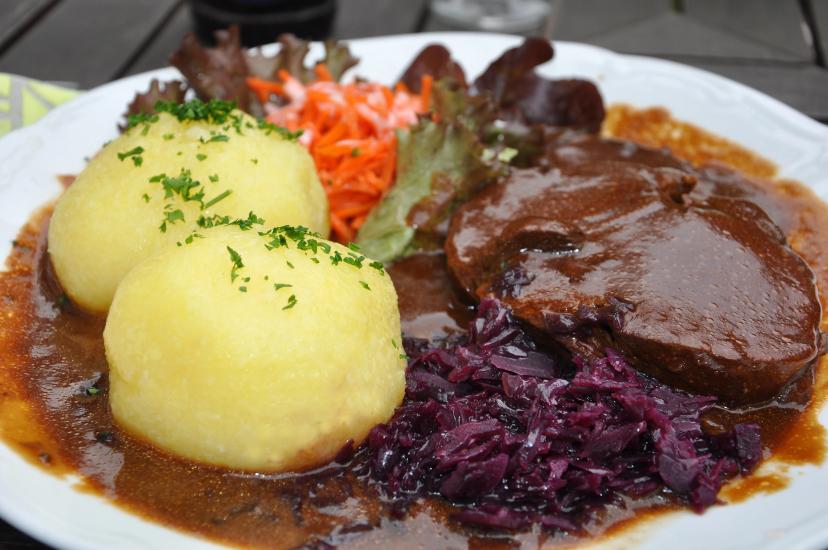
The Elbe Cycle Path is as much a culinary route as a cycling one — crossing regions where local produce, freshwater fish, and vineyard wines shape everyday life.
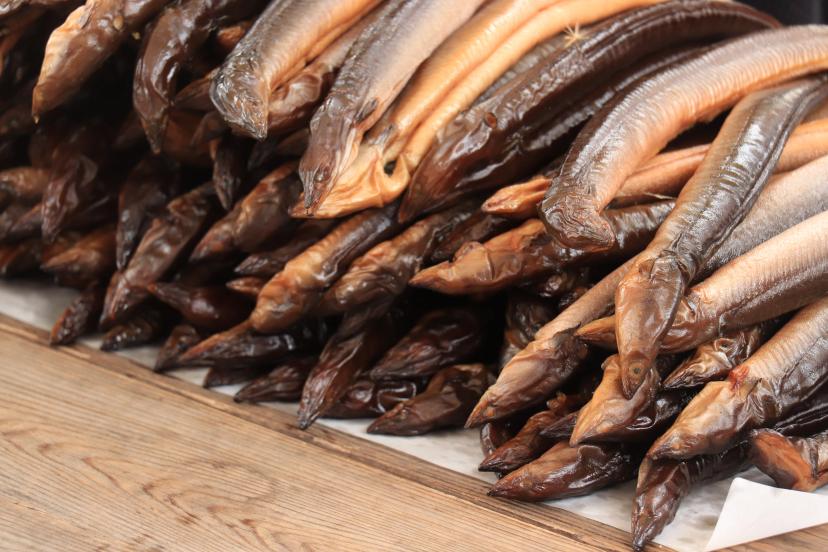
Each stretch of the river tells its own story through food, from Saxony’s crisp Rieslings to the smoked fish of the northern plains. Meals here are simple, seasonal, and deeply regional — the perfect way to refuel after a day on the bike.
What to try along the way:
Germany’s food culture is rooted in craftsmanship, freshness, and regional pride — values that mirror the cycling experience itself. For more inspiration and local specialties, see our German Food Guide.
Suggested Itinerary: Cycling the Elbe Path
Day 1: Arrival in Prague
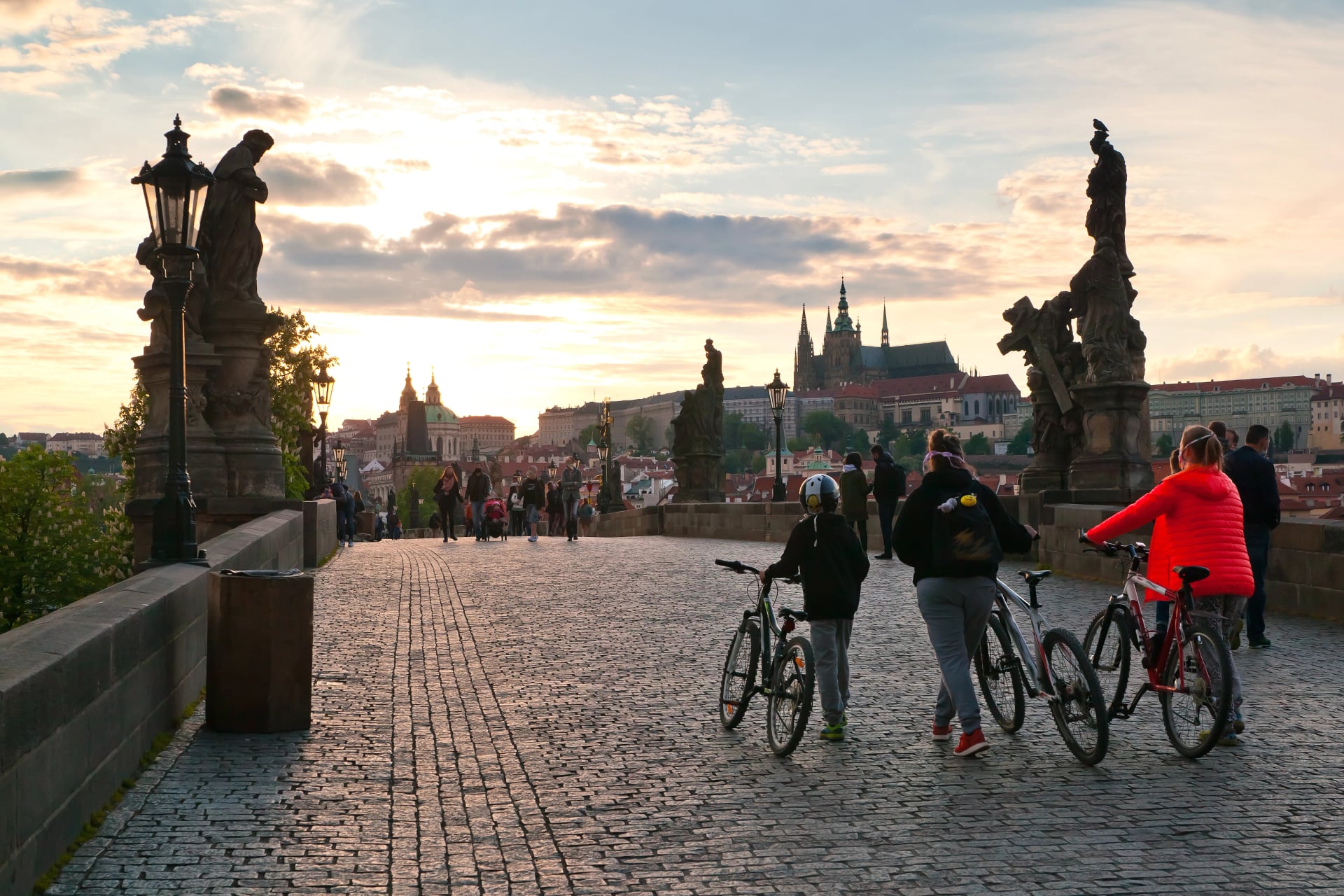
Arrive in Prague, where red rooftops and Gothic spires line the Vltava River. Wander across the Charles Bridge, visit the Astronomical Clock, and enjoy your first Czech meal overlooking the Old Town Square. Spend the night soaking in the energy of one of Europe’s most atmospheric capitals.
Day 2: Prague – Mělník
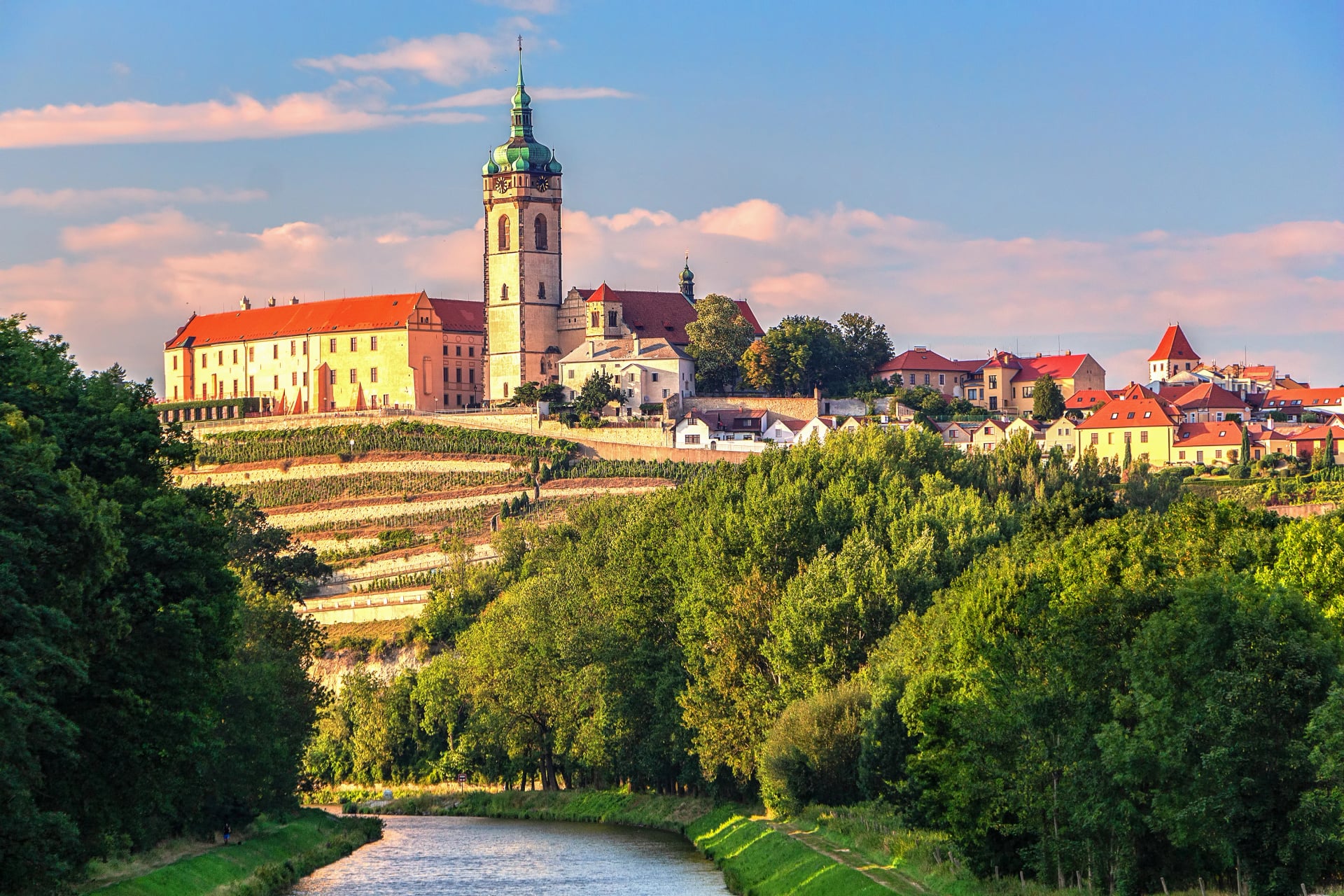
Begin your ride along the Vltava River, passing quiet riverside villages and vineyards. Near Mělník, the Vltava merges with the Elbe beneath a hilltop château, home to ancient wine cellars that once supplied Czech royalty.
Distance: ~55 km
Elevation: ~180 m
Surface: Paved roads and riverside paths.
Day 3: Mělník – Litoměřice
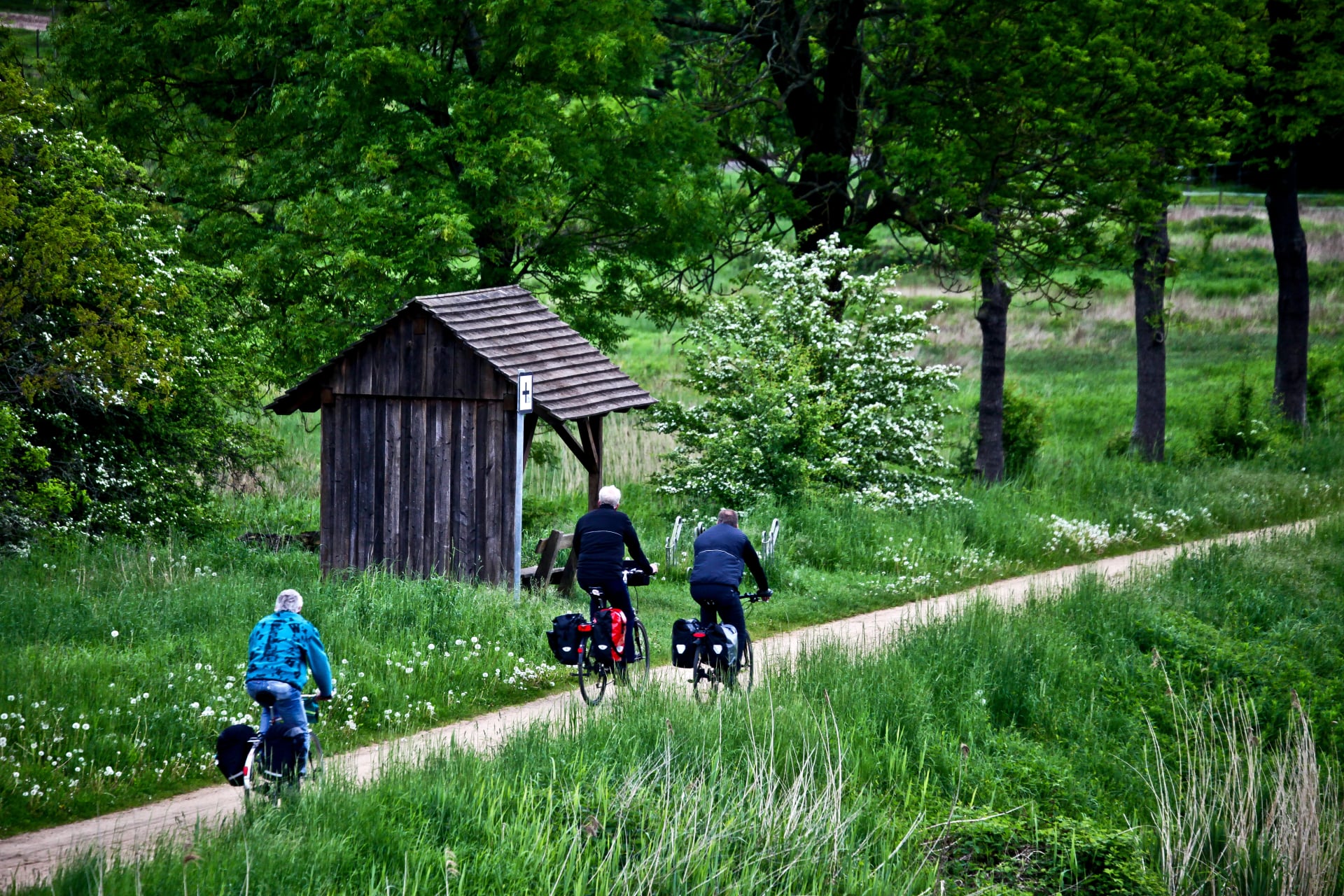
Follow the Elbe through Roudnice nad Labem and Terezín, a fortress town steeped in WWII history. The terrain softens as you near Litoměřice, a colorful Baroque town framed by vineyards and cathedral spires.
Distance: ~50 km
Elevation: ~90 m
Surface: Smooth tarmac and compact gravel sections.
Day 4: Litoměřice – Děčín
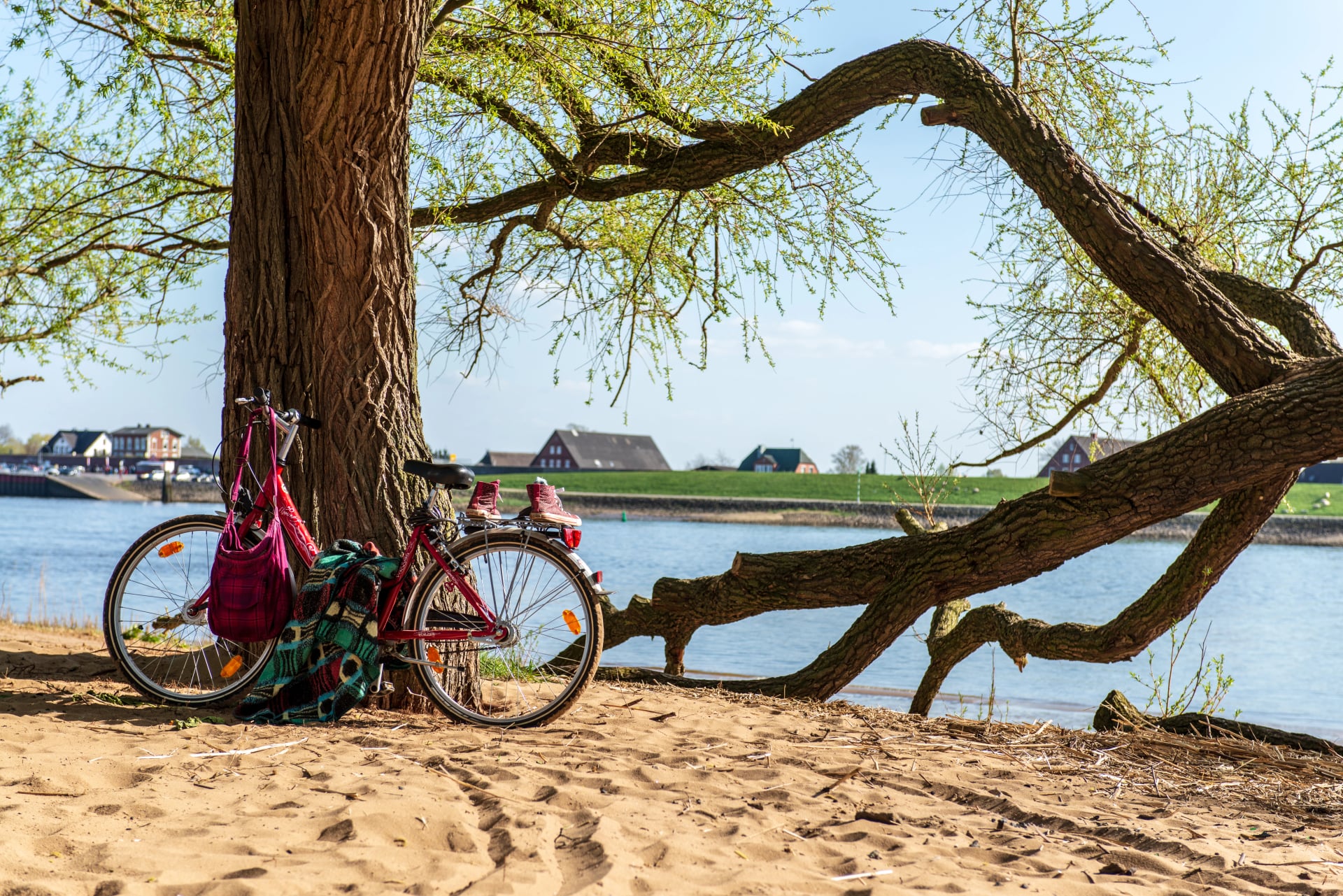
Ride past Žernosecké Lake and climb gently toward Střekov Castle, perched above the valley and once admired by Goethe. The landscape narrows between sandstone cliffs as you approach Děčín, gateway to Bohemian Switzerland National Park.
Distance: ~51 km
Elevation: ~150 m
Surface: Paved paths with light rural traffic.
Day 5: Děčín – Bad Schandau
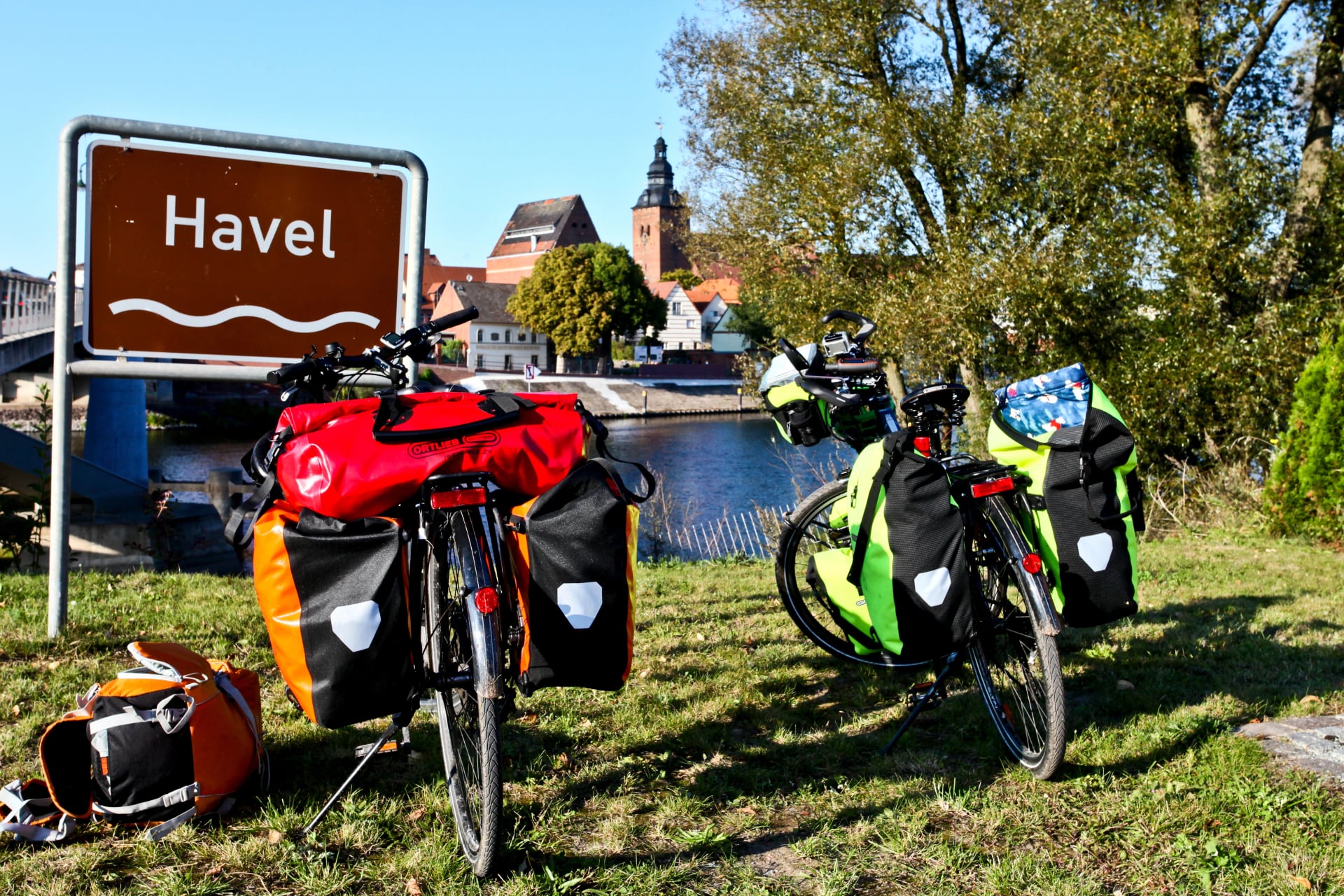
Cross into Germany and enter Bohemian Switzerland, where sandstone towers and forested trails define the route. Pass Falkenštejn Castle and the Lichtenhainer Waterfall before arriving in Bad Schandau, a spa town with centuries of thermal heritage.
Distance: ~51 km
Elevation: ~550 m
Surface: Paved and forest lanes with short gravel sections.
Day 6: Bad Schandau – Dresden
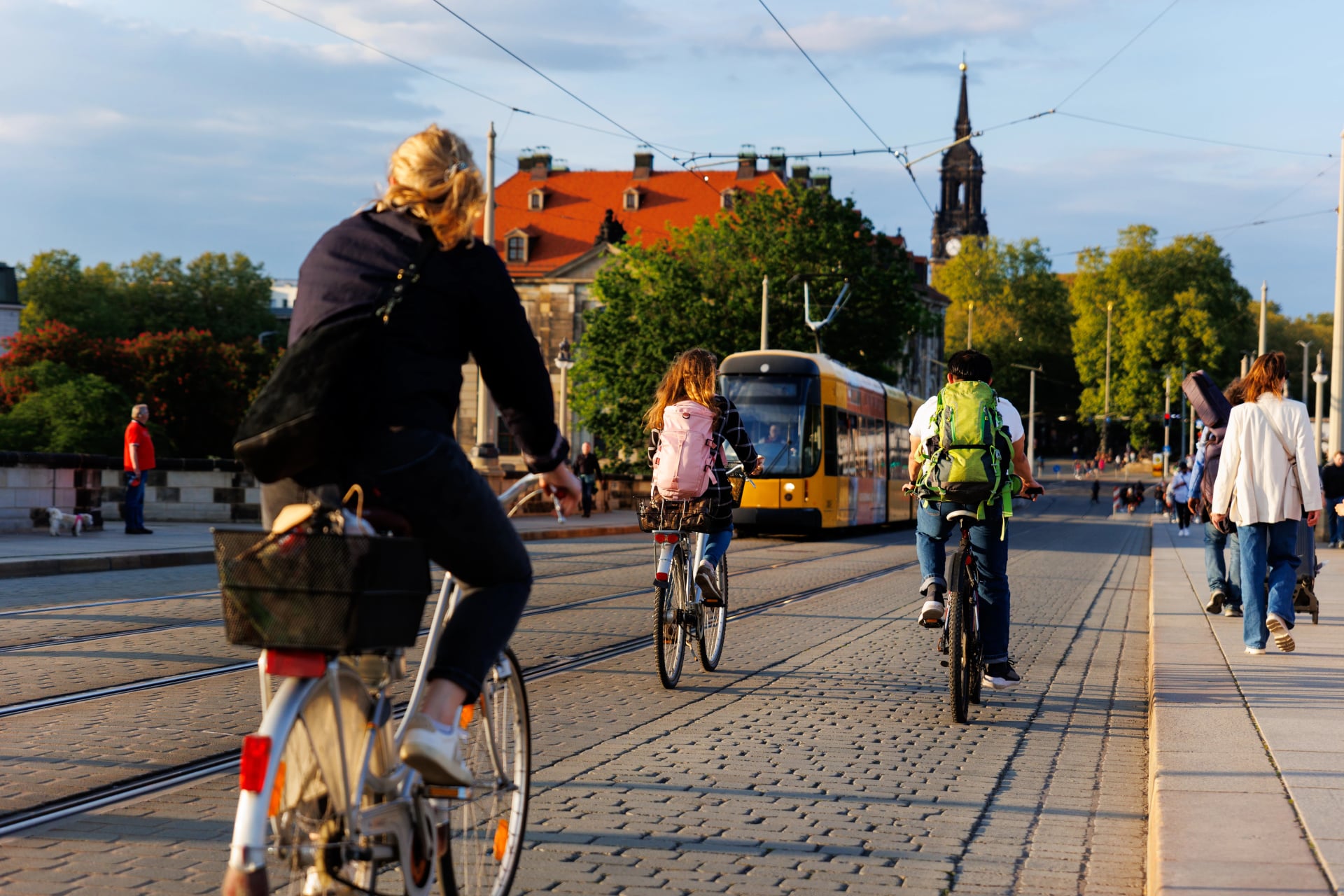
Follow the Elbe through Saxony’s gentle countryside, passing Pirna’s Renaissance façades and vineyards before rolling into Dresden. Ride beneath the domes of the Frauenkirche and across the baroque gardens of the Großer Garten.
Distance: ~44 km
Elevation: ~120 m
Surface: Paved riverside trails and city cycle lanes.
Day 7: Departure from Dresden
Enjoy a morning stroll along Brühl’s Terrace overlooking the Elbe. Visit the Zwinger Palace or sip coffee by the river before continuing your travels. The journey ends where art, history, and the Elbe’s calm flow meet.
What to Pack
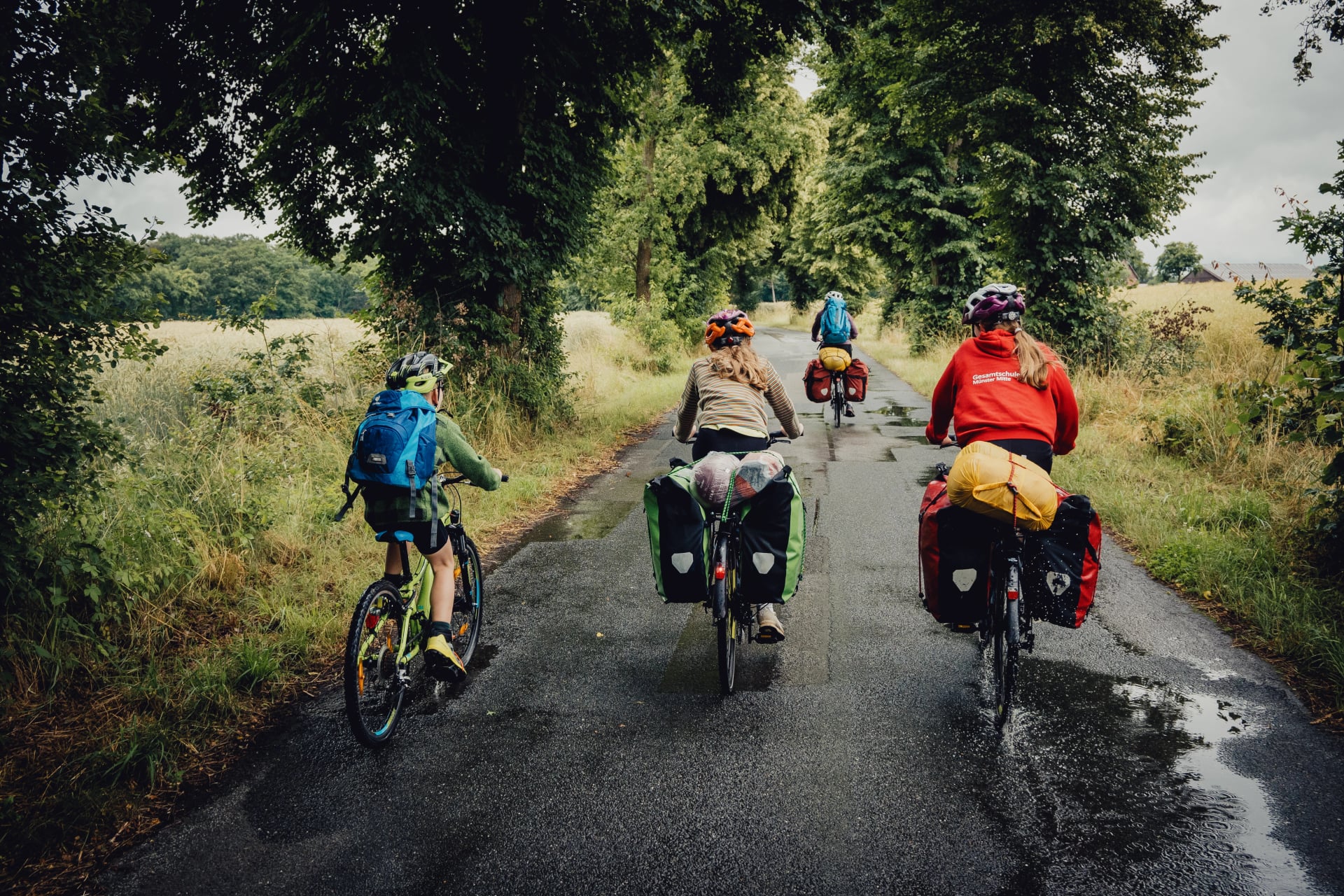
Packing for the Elbe Cycle Path is simple: conditions are mild and facilities frequent, so the focus is on comfort and versatility. The route’s riverside climate can shift from warm afternoons to cool mornings, especially in spring and autumn, so layered clothing works best.
Essentials
Cycling gear: Padded shorts, breathable jerseys, light windbreaker, and rain jacket.
Footwear: Sturdy cycling shoes or trainers suitable for both pedaling and short walks.
Helmet: Required in Czechia for riders under 16, recommended for all.
Waterproof panniers or day bag: The route crosses ferries and occasional spray zones.
Powerbank: to make sure your GPX files or offline maps are always with you, and so that you can contact us for assistance whenever you need it.
Reusable water bottle and snacks for longer countryside stretches between cafés.
Basic first aid kit: Bandages, pain relief, sunscreen, and electrolyte tablets.
Travel documents: Passport, insurance, and confirmation for ferry or hotel bookings.
Optional Extras
E-bike charger or spare battery (charging stations are frequent in Germany).
Arm and leg warmers for cool mornings in April or October.
Compact lock for short city stops.
Power bank for long stages or photo stops along the river.
Small towel or swimsuit for riverside swimming spots near Magdeburg or Lauenburg.
See a full list of daily essentials in our ultimate cycling guide for Germany. We’ve thought everything through in advance, leaving you free to enjoy the ride and scenery without extra weight.
Getting to the Start — Prague
The Elbe Cycle Path begins in the Krkonoše Mountains (Czech Republic), near the river’s source at Špindlerův Mlýn, and passes through Prague before continuing north into Germany. Most cyclists start in Prague, the most accessible gateway with excellent transport links and pre-tour facilities.
Starting your Elbe cycling adventure is simple — the route is well connected by air, rail, and local transport, making transfers to your first hotel smooth. Once you arrive, everything from accommodation to luggage transfers is arranged for you, so all that’s left is to start riding and enjoy the journey.
By Air
The Elbe route can be accessed from several international airports in both Czechia and Germany, depending on where you begin.
Prague Airport (PRG): Best for starting the full route or our Prague–Dresden tour. Direct flights from major European cities such as London, Amsterdam, Vienna, and Zurich.
Dresden Airport (DRS): Closest to the mid-section of the Elbe Cycle Path; easy transfers to Bad Schandau or Meissen by train.
Hamburg Airport (HAM): Convenient if you plan to ride the northern or coastal section ending at the North Sea.
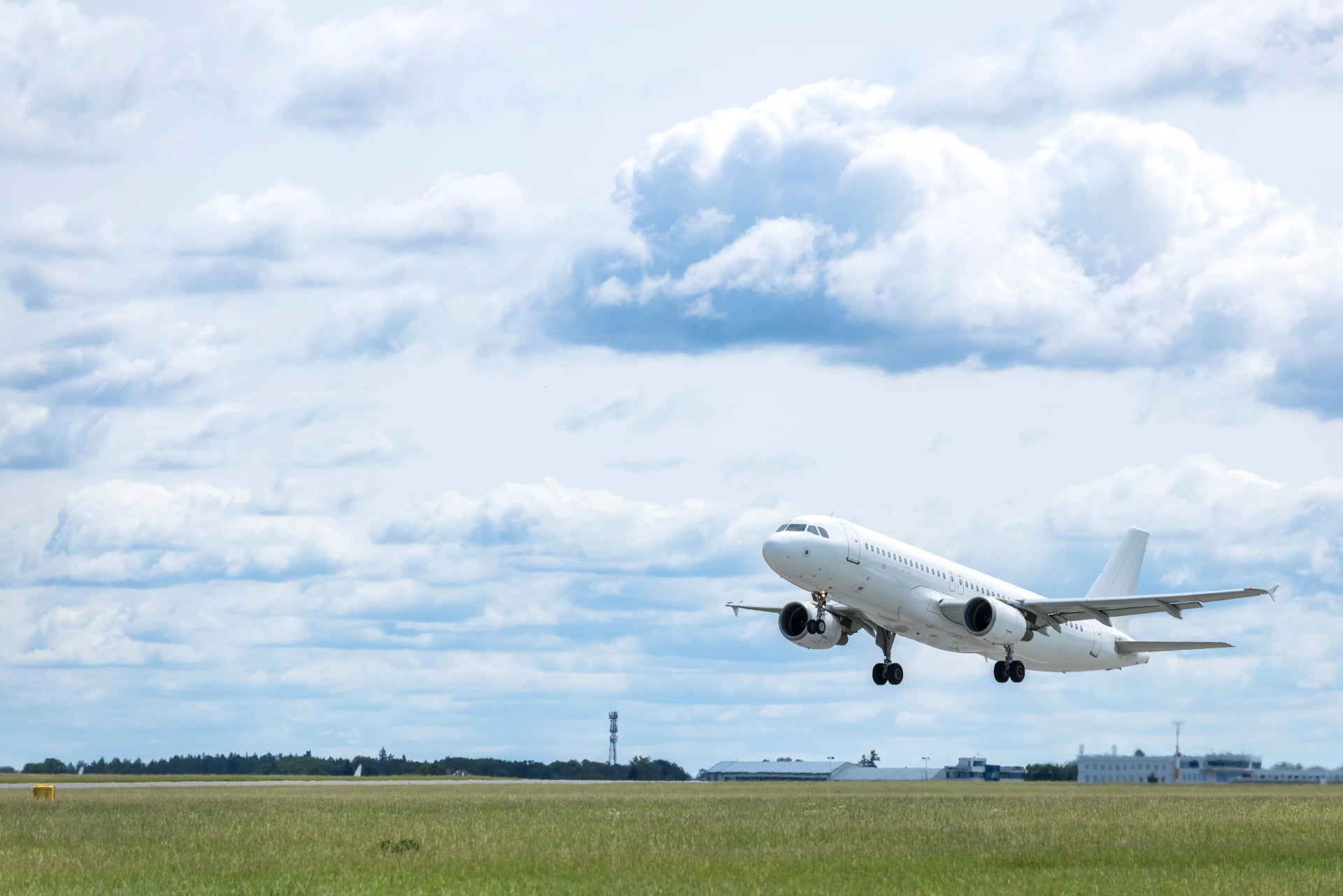
All airports have train connections and bike-friendly transfers, making it straightforward to reach your first overnight stop.
By Train
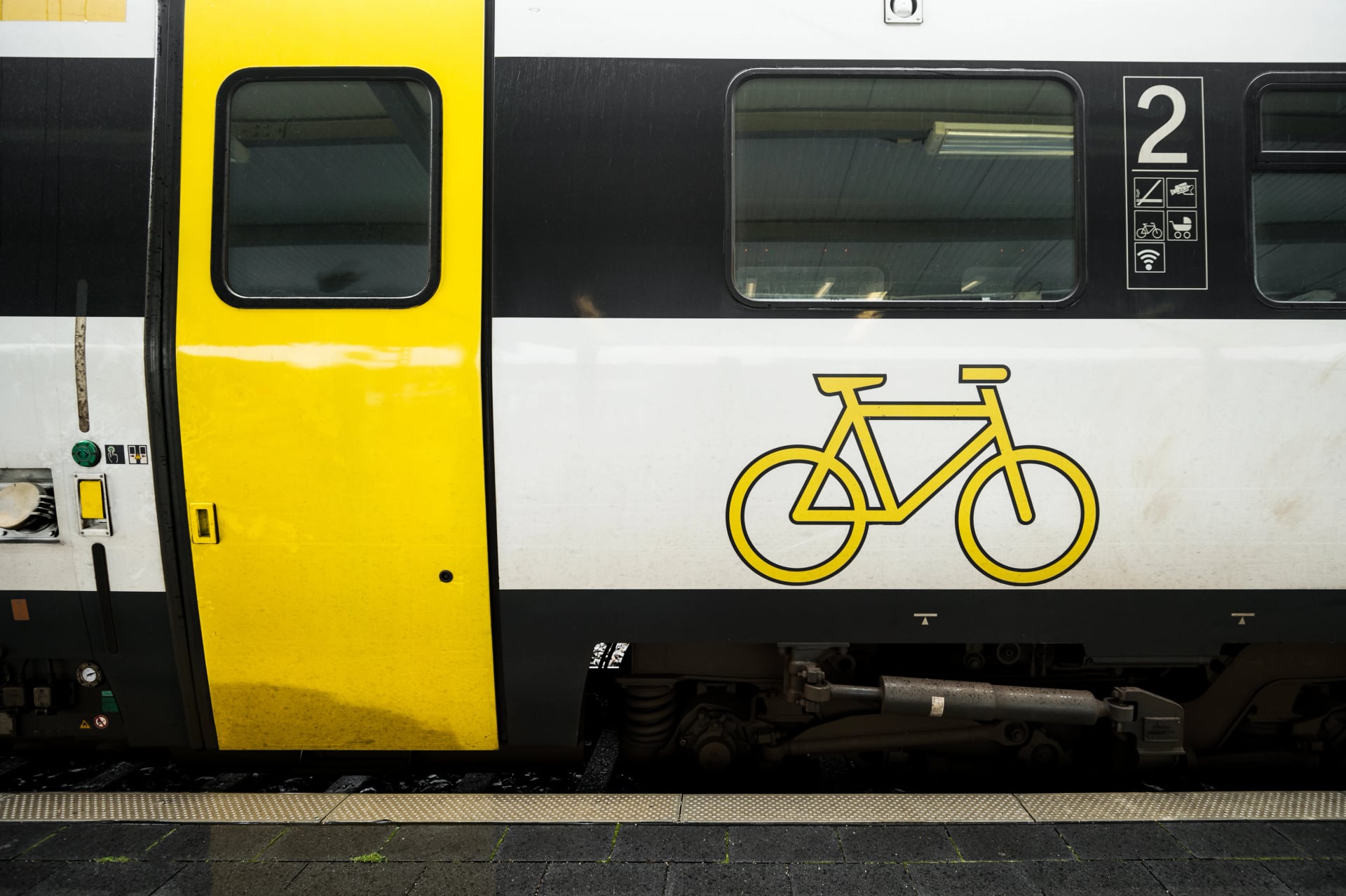
Trains offer one of the easiest ways to reach the start or end of the Elbe Cycle Path. From Prague, direct services run to Děčín and Dresden, while Deutsche Bahn (DB) connects all major German towns along the route — from Dresden and Magdeburg to Hamburg and Cuxhaven. You can see DB schedules on this website.
Most intercity and regional trains accept bicycles for a small fee, making it simple to shorten or adjust your journey at any point.
Returning from the Finish — Dresden
Finishing your ride in Dresden is a rewarding end to the Elbe journey. This elegant river city offers excellent onward connections across Germany and Europe, making travel after your tour simple and seamless.
By Air
The nearest airport is Dresden Airport (DRS), just 10 kilometers from the city center, with regular flights to major hubs including Frankfurt, Munich, Zurich, and Amsterdam.
Other airports commonly used after completing the Elbe Cycle Path include:
Berlin Brandenburg Airport (BER) – around 2 hours by train, ideal for long-haul and international flights.
Leipzig/Halle Airport (LEJ) – about 1.5 hours by train, offering a range of European connections.
Hamburg Airport (HAM) – roughly 4 hours by direct train, convenient if you finish the northern section.
Private transfers and train tickets can be arranged directly through us. Plan a meeting with us if you would like to discover more options or would like more clarification of the tours. We are here to help!
Planning Your Own Elbe Route — or Going Self-Guided
An Elbe Cycle Path cycling tour looks easy to plan — flat terrain, clear signs, and towns every few kilometers. But across 1,200 kilometers and two countries, logistics quickly add up: luggage transfers, hotel bookings, ferry timetables, and stage planning all need coordination.
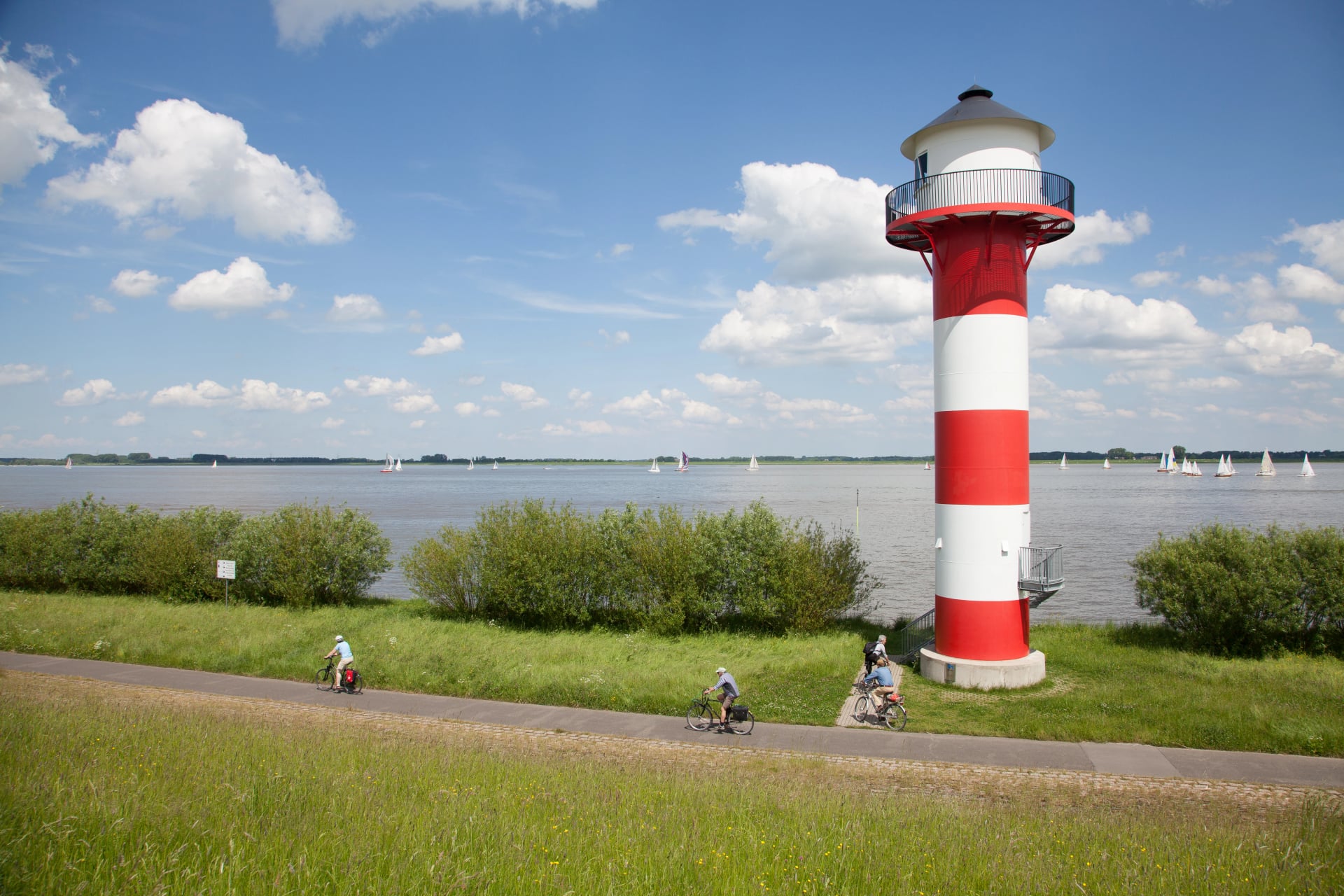
That’s where we come in. A self-guided cycling holiday offers the freedom of independent travel while removing the stress. Routes, hotels, and luggage transfers are prearranged, GPS navigation is included, and local support is always on hand — so you can simply ride and enjoy the journey.
Ready to Ride?
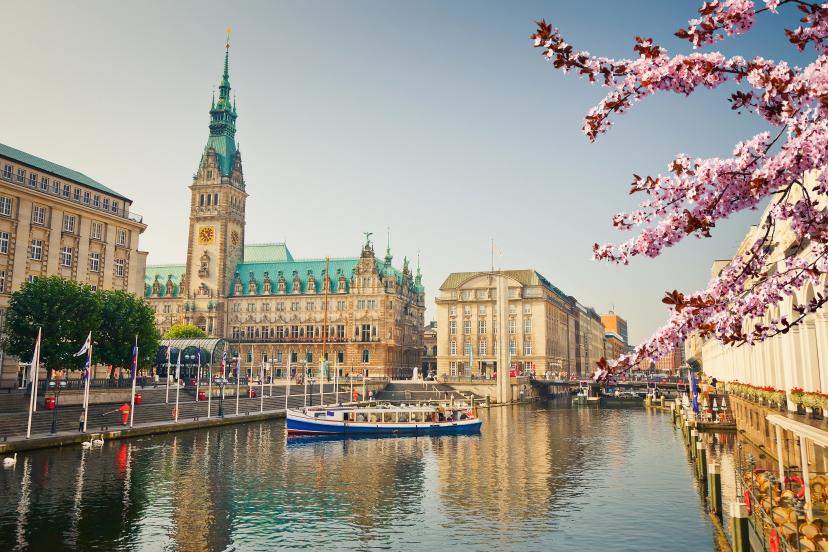
From Prague’s castle skyline to Hamburg’s riverfront harbors, the Elbe Cycle Path delivers one of Europe’s most seamless long-distance rides — easy, scenic, and rich in history.
If you’re ready to start planning, contact us to discuss your travel dates, route preferences, or custom itinerary ideas. Our team will help design the perfect Elbe cycling holiday — complete with everything you need to simply enjoy the ride.



Plan with a cycling expert
Free advice from a team that knows these routes inside out - real people, not a bot

Hassle-Free
We take care of route planning, accommodations, luggage transfers, and all logistics, so you can focus purely on enjoying your ride.

Tried & Tested Adventures
Our cycling routes are hand-picked & tested, to ensure breathtaking landscapes, smooth roads, and maximum safety - giving you the perfect ride every day.

Unbeatable Support
Our 24/7 customer support is where we show our passion, ensuring your cycling holiday runs smoothly and your well-being is always our top priority.

Book with Confidence
We are a financially protected company, fully bonded and insured, keeping your money safe and allowing you to travel with confidence.